Tummy Tuck in Malaysia
Restore a Flatter, Firmer Abdomen with Surgical Precision
A tummy tuck, medically known as abdominoplasty, is a surgical procedure designed to restore a flatter, firmer abdominal profile by removing excess skin and fat while tightening weakened abdominal muscles. It is most commonly sought after pregnancy, significant weight loss, or age-related skin laxity—situations where exercise and diet alone cannot correct the underlying structural changes.
This procedure is intended for individuals who are already close to a stable weight but struggle with loose abdominal skin, muscle separation, or a protruding abdomen that affects comfort, posture, and confidence. When performed correctly, a tummy tuck improves abdominal contour, supports core stability, and delivers long-lasting results.
In Malaysia, tummy tuck surgery is regulated by the Ministry of Health Malaysia under the Private Healthcare Services framework. This ensures that surgery is performed only by registered medical practitioners in licensed facilities, following established safety and postoperative standards.
At Dr. Soma Plastic Surgery, tummy tuck procedures are performed personally by Dr. Soma, a certified plastic surgeon with experience in body contouring surgery and structured postoperative care. The approach focuses on safety, anatomical precision, and natural-looking results rather than aggressive overcorrection.

What Is a Tummy Tuck (Abdominoplasty)?
A tummy tuck is a surgical procedure that addresses three core abdominal issues. During the procedure, excess skin and fat are removed, and the abdominal muscles are tightened to restore a flatter, firmer abdominal wall. In many cases, the belly button is repositioned to maintain natural proportions.
Major medical institutions, including leading surgical bodies and academic hospitals, describe abdominoplasty as a well-established and effective procedure when proper patient selection, surgical technique, and recovery planning are followed.
A tummy tuck is not a weight-loss surgery. Instead, it is a contour-restoring procedure for patients who have already achieved weight stability but are left with skin laxity and muscle weakness.
A tummy tuck addresses these core issues
Why the Abdomen Changes After Pregnancy or Weight Loss
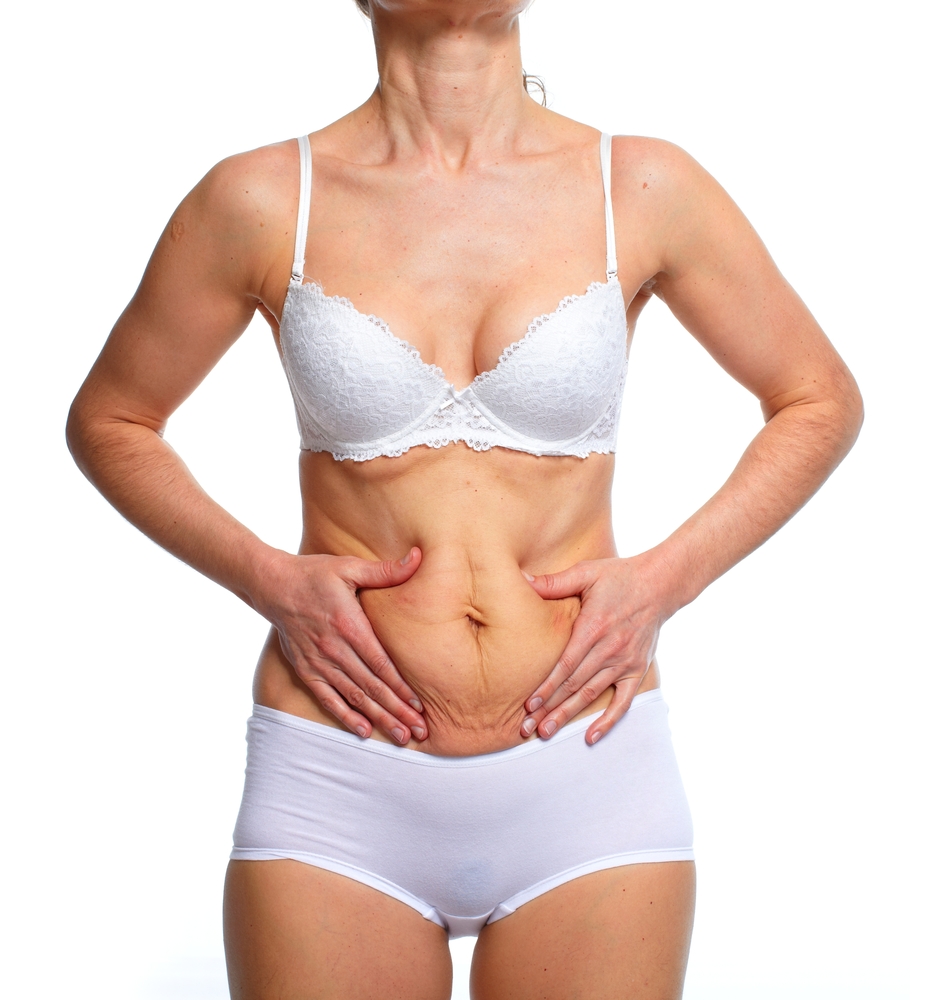
The abdomen undergoes significant structural stress during pregnancy and major weight fluctuations. Skin fibers stretch beyond their elastic limit, and the rectus abdominal muscles can separate along the midline—a condition known as diastasis recti.
The skin often does not retract fully
The muscle separation does not resolve with exercise alone
Fat distribution can become uneven
Core support weakens, which affects posture and back comfort
A tummy tuck directly addresses these anatomical changes rather than relying on surface-level fat reduction.
How a Tummy Tuck Works
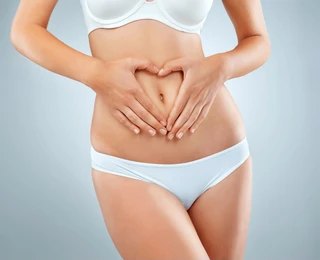
A tummy tuck is a carefully planned surgical procedure that follows a structured sequence to ensure symmetry, safety, and durable results.
Key Surgical Steps
By addressing both skin laxity and muscle separation, abdominoplasty achieves results that liposuction alone cannot provide.
Types of Tummy Tuck Procedures
The appropriate tummy tuck technique depends on skin excess, muscle condition, and body proportions. A clinical assessment determines the most suitable approach.
Full Tummy Tuck
- Removes excess skin above and below the navel
- Repairs muscle separation
- Repositions the belly button
- Most comprehensive correction
Mini Tummy Tuck
- Targets mild lower-abdominal skin laxity
- Smaller incision
- Limited or no muscle repair
- Suitable for selected patients
Extended Tummy Tuck
- Addresses excess skin extending to the flanks
- Often chosen after massive weight loss
- Improves waistline contour
Each technique is selected based on anatomical factors rather than personal preference alone.
“Performed in licensed facilities under Ministry of Health Malaysia standards.”
Who Is a Good Candidate for a Tummy Tuck?
Ideal candidates typically share specific characteristics that support safe surgery and predictable outcomes.
Suitable Candidates Usually Have
A Tummy Tuck May Not Be Recommended If
Final suitability is always determined during an in-person consultation.
Tummy Tuck vs Liposuction: Understanding the Difference
Many patients confuse tummy tuck surgery with liposuction, but these procedures address different problems.
In some cases, both procedures are combined to achieve optimal contouring.
What Results Can You Expect?
Results from a tummy tuck develop gradually as swelling resolves and tissues heal.
Early Recovery
- Swelling, tightness, limited mobility
- Compression garment worn
- Pain medication as needed
Improved Comfort
- Improved comfort and posture
- Return to light activities
- Wound care continues
Visible Flattening
- Visible abdominal flattening
- Resume moderate exercise
- Scar healing progresses
Final Contour
- Final contour emerges
- Swelling fully resolves
- Long-lasting results
Benefits of Tummy Tuck Surgery
A well-performed tummy tuck offers both aesthetic and functional benefits.
Removes loose, sagging abdominal skin
Tightens weakened abdominal muscles
Improves abdominal contour and firmness
Enhances posture and core stability
Produces long-lasting results with a stable weight
Can be combined with liposuction for refinement
Patients often report improved confidence in clothing and daily comfort.
Post-Operative Recovery and Aftercare
Recovery follows a structured process guided by surgical protocols. Early walking is encouraged to support circulation, while strenuous activity is restricted during healing. Discomfort is commonly described as tightness or muscle soreness rather than sharp pain.
After Surgery, Patients Typically Receive
“Postoperative care and recovery protocols used in tummy tuck surgery align with internationally recognised surgical safety and postoperative standards.”
WHO - Safe Surgery & Postoperative Care
Pricing Guide
The tummy tuck cost varies depending on several factors:
- Type of tummy tuck required
- Amount of skin and fat to remove
- The extent of muscle repair
- Whether the procedure is combined with liposuction
- The operating time and facility used
Frequently Asked Questions
Get answers to common concerns about tummy tuck surgery
Scientific Evidence & References
Clinical overview recognizing abdominoplasty as an effective and well-established procedure when patient selection, surgical technique, and recovery planning are appropriately managed.
Regulates private healthcare services, surgical safety standards, facility licensing, and professional accountability in Malaysia.
Guidelines on safe surgery and postoperative care standards used worldwide.
Restore structure, comfort, and proportion.
A tummy tuck is not about chasing perfection. It is about restoring structure, comfort, and proportion after life events that permanently change the abdomen. When performed with proper planning, surgical precision, and structured aftercare, it delivers predictable, confidence-restoring results.