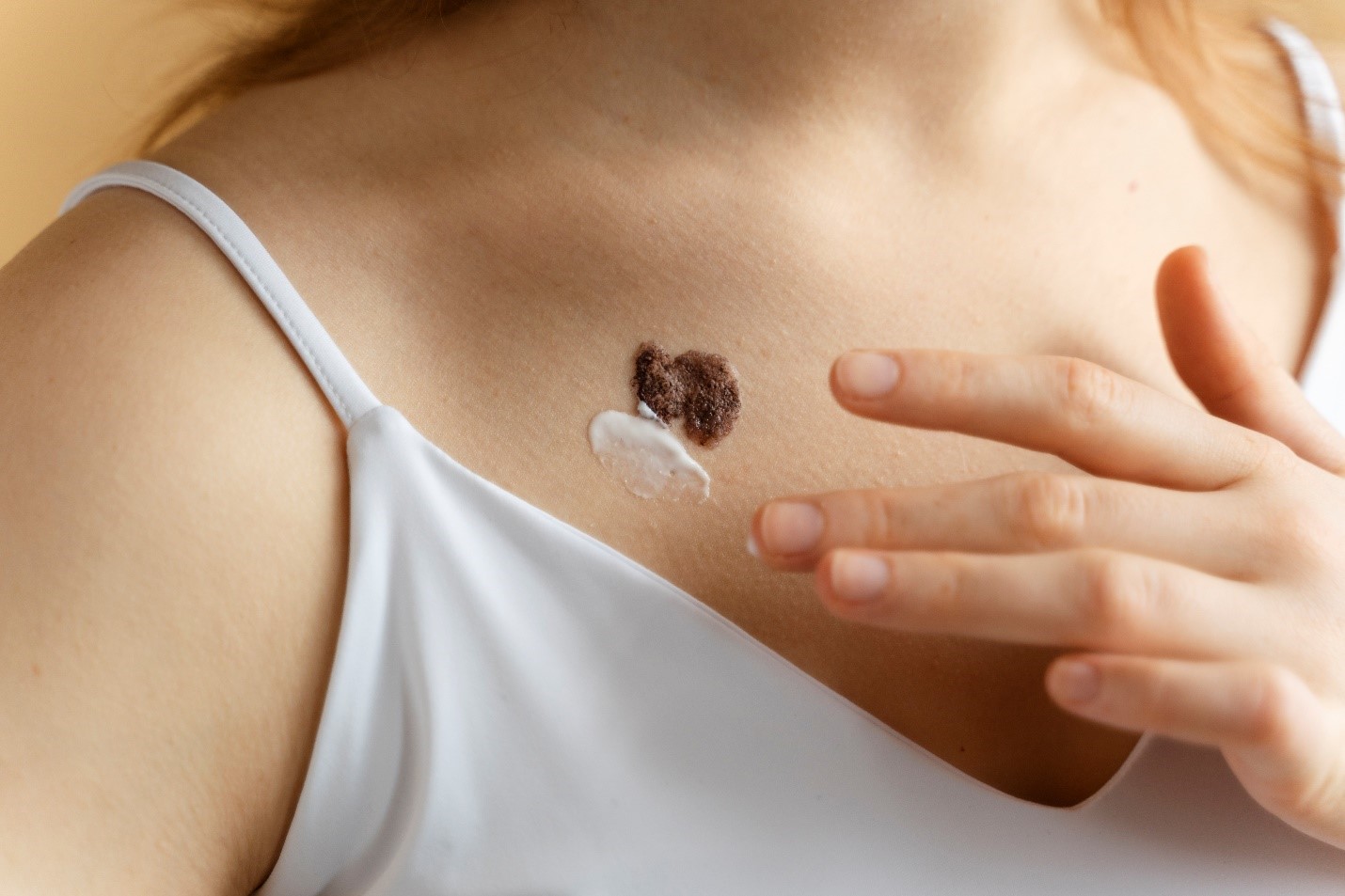
A Keloid is a thickened swollen scar that projects out of the initial wound and may be painful, itchy or even aesthetically displeasing. In Malaysia, over the last couple of years, treatment using keloid has become largely trendy due to the high level of medical technologies, professionalism of the specialists, and the presence of modern means of scar control. Evidence-based and minimally invasive plastic surgery Malaysia clinics and surgical solutions specific to skin type are the new directions of the field. This blog describes the understanding of keloids, the treatment options for keloid treatment Malaysia, the recent developments in the treatment of scars, as well as the expectations of the patients in their pursuit of professional care.
Understanding Keloids and Problematic Scars
What Is a Keloid Scar?
A keloid is an abnormal response to skin injury where excess collagen forms during healing. Unlike regular scars, keloids:
- Extend beyond the original wound
- Continue growing over time.
- May appear shiny, firm and darker than the surrounding skin
They commonly develop after acne, piercings, surgery, burns, or trauma.
Why Keloids Are Difficult to Treat
The rate of Kennedy recurrence is quite high without proper management. It depends on genetics, the tone of skin, tension of wounds and inflammation. A medical examination and not over-the-counter medications are the answer to good treatment.
Keloid Treatment Options Available in Malaysia
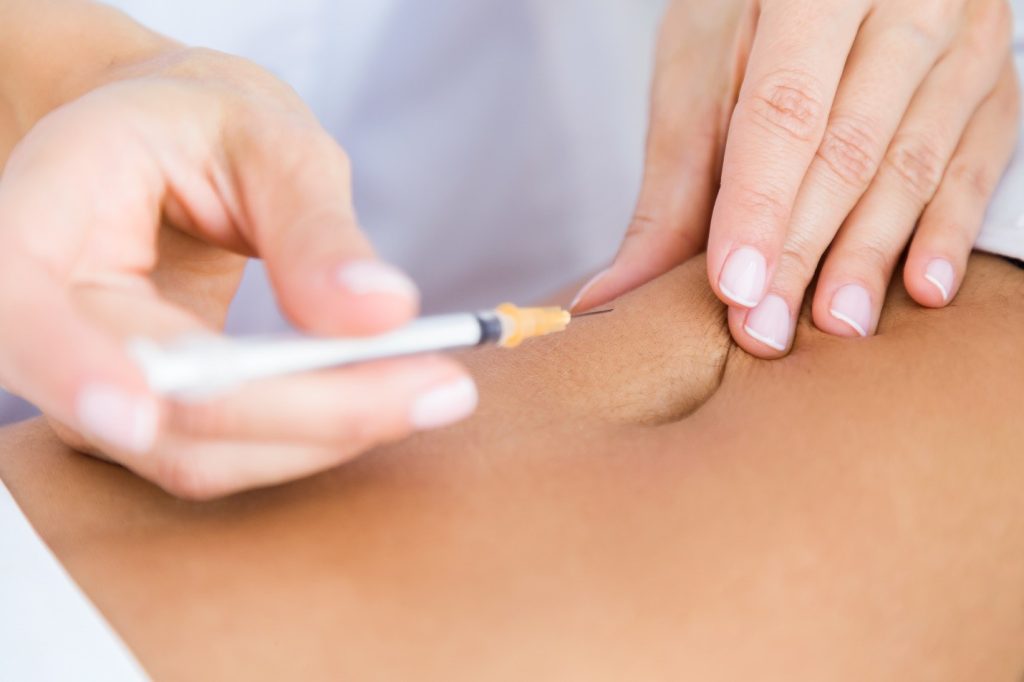
Malaysia has a systematic medical practice of scar care, which is a dermatology setting, as well as a plastic surgery practice.
Non-Surgical Keloid Treatments
These options are often first-line treatments for small to moderate keloids:
- Steroid injections to reduce inflammation and scar thickness
- Silicone gel or sheets to flatten and soften scars
- Laser therapy to reduce redness and improve texture
- Pressure therapy for post-surgical or ear keloids
Non-surgical methods are usually done in multiple sessions and monitored closely.
Surgical Keloid Removal
Big, painful, and persistent keloids may be referred to surgery. Nevertheless, it is not sufficient to operate. It is commonly combined with:
- Post-operative steroid injections
- Radiation therapy (in selected cases)
- Advanced wound care protocols
This combined approach lowers recurrence risk significantly when performed by experienced specialists in plastic surgery Malaysia.
Advances in Scar Management Solutions
The management of scar today has moved to combination therapy and regenerative approaches.
Cellular and Regenerative Therapies
Newer approaches focus on improving skin healing at a cellular level:
- Growth-factor-based treatments
- Exosome and regenerative skin therapies
- Fat grafting for scar remodeling
These treatments aim to improve skin quality while reducing scar rigidity.
Advanced Wound Management
Post-procedure care now includes:
- Medical-grade dressings
- Controlled healing environments
- Scar prevention protocols for surgical patients
These advances help reduce the risk of keloid recurrence after surgery or injury.
Who Is a Good Candidate for Keloid Treatment?
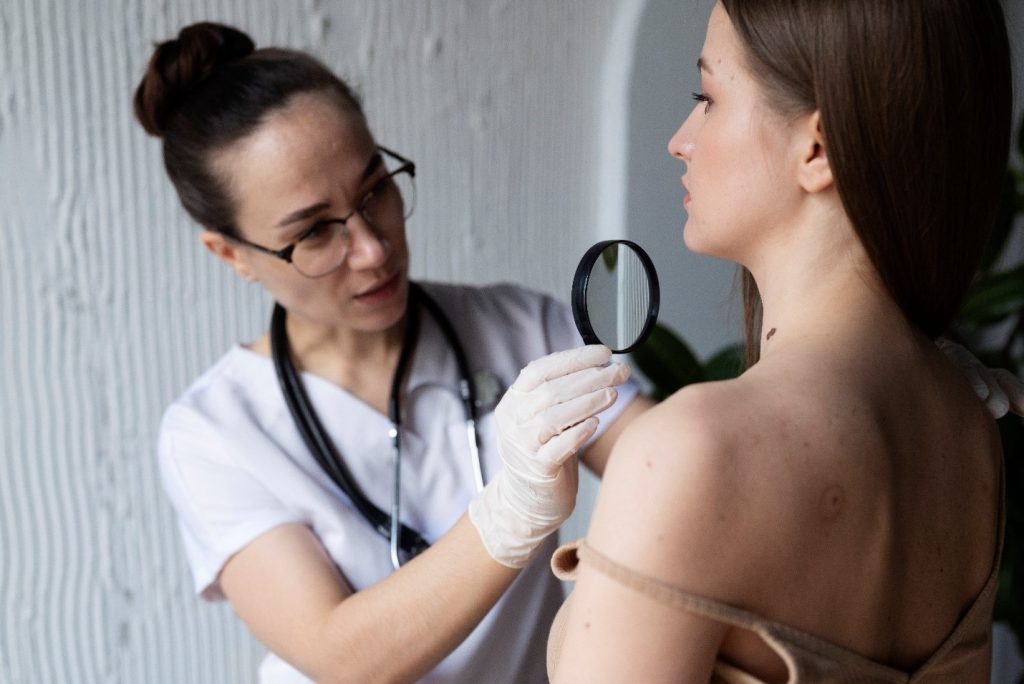
You may benefit from professional keloid treatment if you:
- Have scars that continue to grow or harden
- Experience itching, pain, or tightness.
- Are you unhappy with the scar's appearance
- Have recurring keloids after past treatment
A consultation allows the doctor to assess scar type, size, location, and skin behavior.
What to Expect During Treatment
Treatment plans are individualized. Most patients can expect:
- Clinical evaluation and scar assessment
- Selection of single or combination therapy
- Gradual improvement over weeks or months
- Long-term scar monitoring
Results vary, but proper medical care improves both comfort and appearance.
Conclusion
Keloids need institutionalized medical care and not trial-and-error solutions. Malaysia has highly developed scar management with the help of non-surgical treatment, surgery, and regeneration. Earlier intervention is better than later and lessens the chances of recurrence. To patients who want help with scar treatment by medical specialists, visit a certified specialist at Dr. Soma Clinical Aesthetics.
FAQs
1. Is keloid treatment permanent?
Ans: Keloids can recur, but combination treatments significantly reduce regrowth when properly managed.
2. How many sessions are needed for keloid treatment?
Ans: Non-surgical treatments may require multiple sessions over several months, depending on scar size.
3. Is keloid removal painful?
Ans: Most procedures cause minimal discomfort and are done under local anesthesia or numbing agents.
4. Can all scars turn into keloids?
Ans: No. Keloids are more common in genetically predisposed individuals and certain skin types.