
A facelift can improve sagging in the lower face and neck, but it does not stop ageing, and results and recovery differ from person to person. This guide is for people seriously considering face lift surgery in Kuala Lumpur or elsewhere in Malaysia who want an honest picture of the options, recovery, risks and how to judge a surgeon before booking a consultation.
Quick answers
-
What it does: repositions deeper facial tissue and removes excess skin in the cheeks, jowls, jawline and neck
-
What it doesn't do: stop ageing, or treat fine lines, pigmentation or volume loss
-
Downtime: commonly 2 to 3 weeks before you look and feel socially comfortable, longer for full activity
-
How long it lasts: often several years, but ageing continues and no duration is guaranteed
-
Not for everyone: smoking, uncontrolled blood pressure and some medications need to be addressed first
What Is a Facelift (Rhytidectomy)?
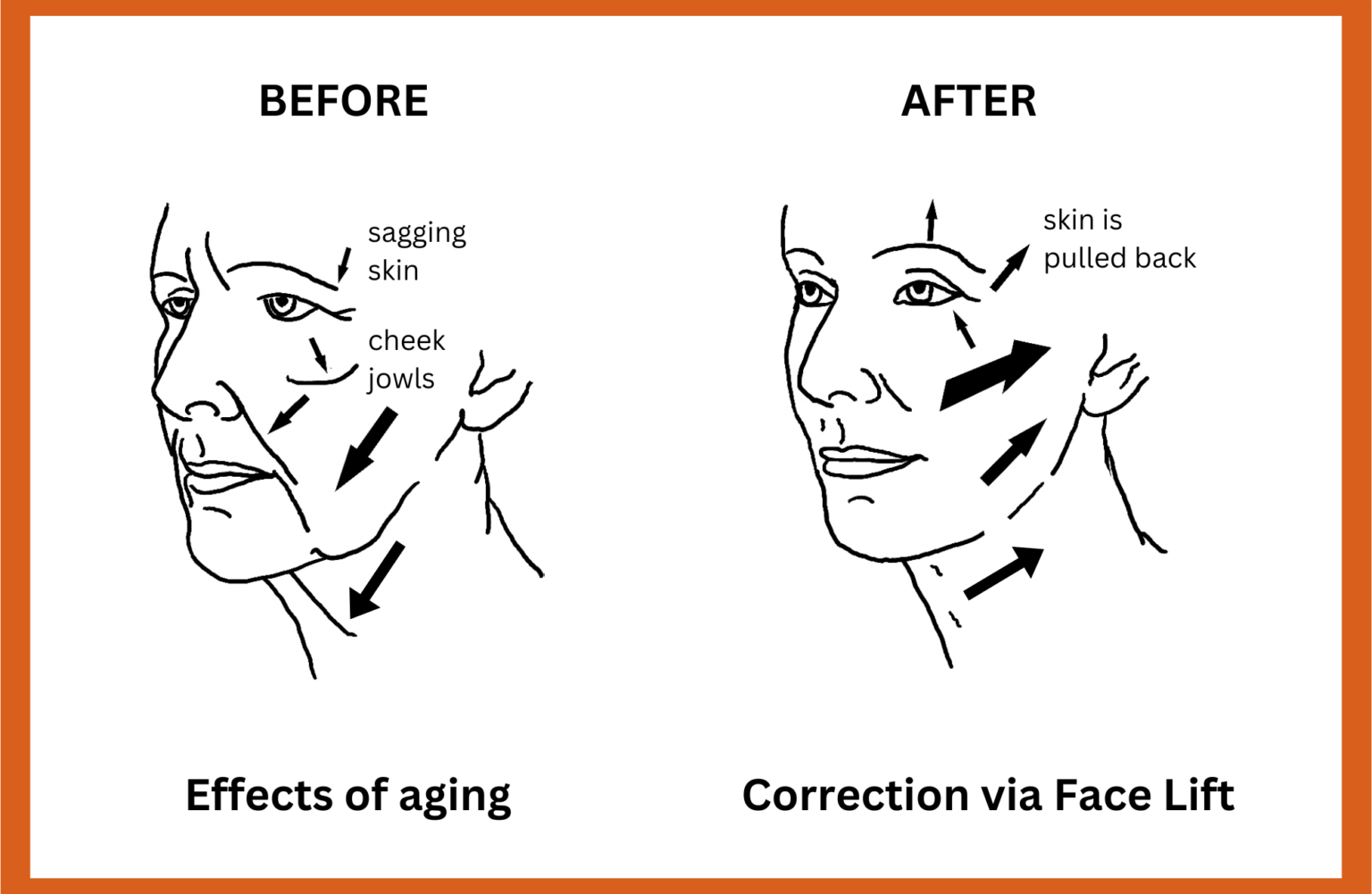
A facelift tightens the deeper support layer of the face, known as the SMAS, and redrapes the skin to improve sagging in the midface, jowls, jawline and neck. Modern techniques focus on repositioning deeper tissue rather than simply pulling skin tight, which helps avoid an overdone look and tends to last longer than skin-only lifts.
A facelift does not treat the forehead, brows or eyelids, and it does not change skin quality. Those concerns are handled separately, for example with brow lift or eyelid surgery, and it is common to combine procedures after a proper assessment.
How the Procedure Works
-
Anaesthesia: usually general anaesthesia in a hospital, although some surgeons use sedation with local anaesthetic
-
Incisions: placed from the temple hairline, around the ear and into the hairline behind it; a neck lift often adds a small incision under the chin
-
Deeper tightening: the SMAS layer is repositioned or tightened and secured with sutures, with the exact technique chosen by the surgeon
-
Skin redraping: the skin is lifted into its new position, excess is trimmed and the incisions are closed, sometimes with small drains
-
Observation: a full facelift takes roughly 3 to 4 hours, longer if combined with other procedures, with an overnight stay for monitoring
Is a Facelift Right for You?
|
You may be a good candidate if you |
Speak to your surgeon first if you |
|
Have moderate to significant sagging of the jowls, jawline or neck |
Smoke, since smoking raises the risk of poor healing and skin loss |
|
Are in good general health |
Have uncontrolled blood pressure or diabetes |
|
Are a non-smoker or willing to stop |
Take blood thinners or have a bleeding disorder |
|
Have realistic expectations |
Mainly want to treat fine lines, pigmentation or volume loss |
|
Want more lift than non-surgical options can give |
Scar badly or tend to form keloids |
Age matters less than how much laxity you have. A consultation is where suitability is confirmed, and a good surgeon will tell you honestly if surgery is not the right step.
Facelift vs Mini Facelift vs Thread Lift
|
Factor |
Full facelift |
Mini facelift |
Thread lift |
|
Best for |
Moderate to advanced sagging |
Early jowls and mild laxity |
Mild sagging |
|
Approach |
Surgical, deeper tissue repositioned |
Surgical, smaller incisions |
Non-surgical, dissolvable threads |
|
Typical downtime |
About 2 to 4 weeks |
About 1 to 2 weeks |
A few days |
|
Typical duration* |
Roughly 7 to 10 years |
Roughly 3 to 5 years |
Roughly 1 to 2 years |
|
Main limits |
Surgical risks and longer recovery |
Less correction, shorter-lasting |
Modest, temporary lift |
General estimate:. Genetics, sun exposure, smoking, weight changes and technique all affect how long results last.
Choose according to the degree of sagging, not price alone. Thread lifts carry their own risks, including infection, visible or migrating threads, dimpling and asymmetry. Dermal fillers and Botox do not lift, but can complement surgery by addressing volume loss and expression lines.
What Recovery Really Looks Like
|
Timeframe |
What to expect |
|
First 48 hours |
Head dressing, rest with your head elevated, swelling and bruising begin, tightness; pain is usually controlled with medication |
|
Days 5 to 14 |
Sutures removed (timing varies by technique), bruising changes colour, most social downtime happens now |
|
Weeks 3 to 4 |
Most visible swelling settles and many people return to work; strenuous exercise, swimming, saunas and massage wait until your surgeon clears you |
|
3 to 6 months |
Residual swelling and firmness ease, numbness gradually improves, and the final contour emerges |
|
Up to 12 months |
Scars mature and fade |
Sun protection and following aftercare instructions closely help healing.
Contact your surgeon urgently if you have rapid swelling or severe pain on one side of the face, fever, spreading redness or discharge, or darkening of the skin. Chest pain, shortness of breath or a swollen, painful leg needs emergency care.
Risks and Complications
Every surgery carries risk. Some effects are expected, and serious complications are uncommon but not so rare that they can be ignored.
|
Risk |
How common |
What to know |
|
Bruising, swelling, tightness, temporary numbness |
Expected |
Settles over weeks to months; ear and cheek numbness can take longer |
|
Haematoma (collection of blood) |
Uncommon; more often in men and with high blood pressure |
Needs prompt attention and sometimes a return to theatre |
|
Infection, delayed healing or skin loss |
Uncommon; higher risk in smokers |
May need further treatment |
|
Facial nerve weakness |
Uncommon, usually temporary |
Permanent injury is rare |
|
Widened or visible scars, hair loss near incisions, earlobe distortion |
Occasional |
Often improved with scar treatment or revision |
|
Asymmetry, contour irregularity or an unsatisfactory result |
Occasional |
May need revision |
|
Anaesthesia problems, blood clots (DVT or PE) |
Rare |
Assessed before surgery |
Ways to reduce risk: choose a registered specialist and a licensed facility, disclose your full history including supplements, stop smoking as instructed, control your blood pressure, follow aftercare and attend every follow-up. No surgeon can promise a risk-free outcome or a specific result, so ask about their own complication rates and how problems are managed.
Before-and-After Photos: How to Read Them
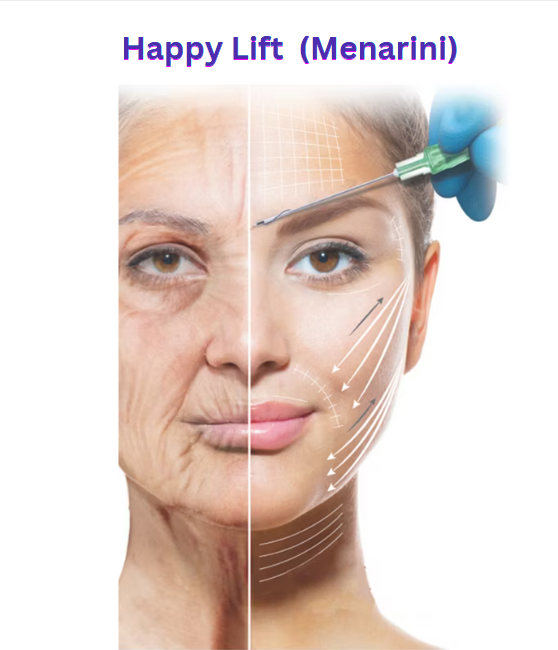
Photos are useful only when they are presented fairly. Check:
|
Check |
Why it matters |
|
They are the surgeon's own patients, shown with consent |
Stock, borrowed or celebrity images are not evidence of any surgeon's results |
|
Same angle, lighting and expression, with no filters or makeup differences |
Otherwise the comparison misleads |
|
What was done |
Facelift alone differs from facelift with neck lift, eyelids, fat transfer or fillers |
|
When the "after" was taken |
Photos at 6 weeks and at 6 months look different |
|
A range of ages and results |
Showing only the best cases overstates typical outcomes |
|
A note that results vary |
Outcomes depend on anatomy, healing and technique |
Diagrams on any website are illustrations, not patient results. You can apply the same checklist to the patient accounts on our success stories page.
Choosing a Facelift Surgeon in Malaysia
-
Confirm they are listed in the National Specialist Register under Plastic Surgery and hold a current Malaysian Medical Council practising certificate
-
Check that surgery takes place in a licensed hospital or facility with a qualified anaesthetist
-
Ask to see consented before-and-after photos of their own patients
-
Expect an open discussion of risks, alternatives and the possibility that you are not a candidate
-
Make sure follow-up care is clearly planned
Dr. Somasundaram Sathappan is a Consultant Plastic, Reconstructive & Aesthetic Surgeon in Subang Jaya. His profile lists an MBBS from the University of Malaya, Fellowship of the Royal College of Surgeons of Edinburgh, National Specialist Register registration in plastic surgery, a current MMC practising certificate and more than 30 years of surgical experience. As with any surgeon, ask how many facelifts are performed each year and how complications are handled.
What Affects the Cost?
-
Technique: full, mini or deep plane facelift
-
Extent of work, such as adding a neck lift, eyelids or fat transfer
-
Anaesthesia, operating theatre and hospital stay fees
-
Follow-up care and surgeon experience
At Soma Plastic Surgery, full facelift quotes have typically ranged from about RM30,000 to RM40,000 depending on complexity, and have included hospital theatre use at Subang Jaya Medical Centre, an overnight stay and 12 months of follow-up. Inclusions can change, so confirm them at consultation. Our facelift price guide explains the factors in more detail.
Questions to Ask at Your Consultation
-
Am I a good candidate, and what are the alternatives?
-
Which technique do you recommend for me, and why?
-
What are the specific risks in my case?
-
What will recovery look like, and when can I return to work?
-
What is included in the quote, and what could cost extra?
-
How are complications handled, and what follow-up is included?
Frequently Asked Questions
1. How long does a facelift surgery take?
A typical facelift surgery usually takes between 3 to 5 hours. The exact duration depends on the complexity of your procedure and whether you combine it with other facial treatments.
2. Is facelift surgery painful?
You will not feel pain during the surgery because of anesthesia. Afterward, mild tightness and swelling are normal, but your doctor will prescribe medication to keep you completely comfortable.
3. How long is the recovery time for a facelift?
Most patients can return to social activities within 2 to 3 weeks. Full healing, including the complete fading of swelling and settling of tissue, takes around 3 to 6 months.
4. Will a facelift leave noticeable scars?
Facelift incisions are carefully hidden along the natural hairline and behind the ears. Over time, these fine lines fade significantly and become barely visible to the untrained eye.
5. How long do facelift results usually last?
A surgical facelift provides long-lasting results, typically keeping your face looking refreshed and youthful for 10 to 15 years, depending on your age, skin quality, and lifestyle choices.
6. What is the best age to get a facelift?
Most patients choose to get a facelift between the ages of 40 and 65, when skin sagging and jowls become noticeable but the skin still retains good natural elasticity.
7. Can I combine a facelift with other treatments?
Yes, many patients safely combine a facelift with neck lifts, eyelid surgery, or fat transfer during the same procedure to achieve balanced, harmonious, and full-face rejuvenation results.
8. How do I choose a good plastic surgeon in Malaysia?
Always choose a plastic surgeon listed on Malaysia’s National Specialist Register (NSR) with a current Malaysian Medical Council practising certificate. Check their before-and-after photos and book a personal consultation to discuss your goals.
Next Step
If you would like a surgeon's assessment, you can book a face lift consultation. A consultation lets you discuss your goals, risks and options before deciding, with no outcome promised.
This article is general information and does not replace medical advice. Individual results vary, and no outcome can be guaranteed.