Secretome Therapy
in Subang Jaya at Dr Soma Plastic Surgery
Healthy skin repairs itself through communication between cells. Secretome therapy uses that way cells talk by taking the cell‑free mixture of growth factors, proteins and vesicles that cultured cells release, to support skin healing and rejuvenation. I have seen how this works. Secretome therapy contains no living cells and Secretome therapy is best understood as an aesthetic treatment, not a cure or a replacement, for established dermatological care.
What Is Secretome Therapy?
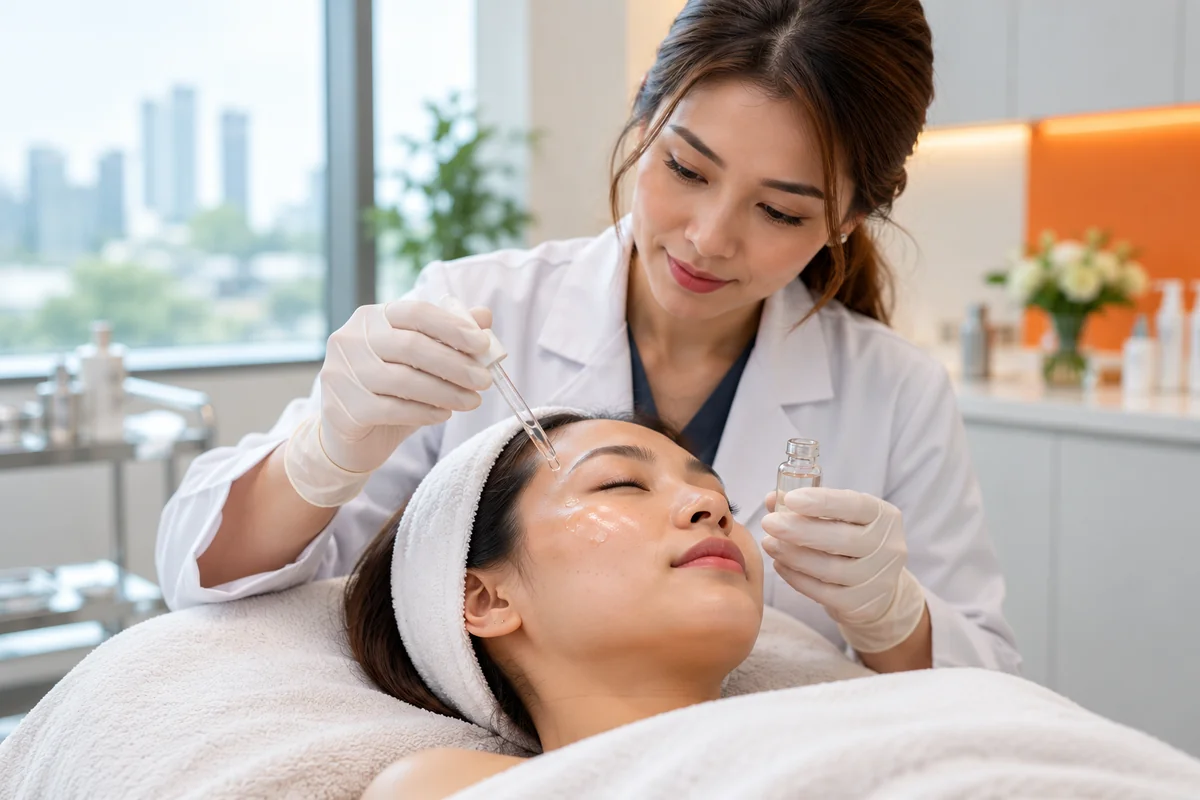
The secretome is all the molecules that cells release into their environment. In medicine secretome products are usually made by growing cells, especially mesenchymal stem cells, which come from sources, like umbilical cord tissue, fat tissue or bone marrow. The liquid where these cells grow called conditioned medium is collected, filtered and prepared for use.
The result carries the signalling molecules the cells produced, without the cells themselves. This is why secretome therapy is described as "cell-free", and why it differs from stem cell therapy, which involves living cells. Exosomes are one component of the secretome, which we explain in our guide to exosome therapy.
How Secretome Therapy Is Thought to Work
The proposed mechanisms rest mainly on laboratory studies and early clinical research:
These are proposed effects, not guaranteed outcomes, and individual response varies.
What Is Inside a Secretome?
- What It Is
- Signalling proteins
- Proposed Role in Skin
- Support fibroblast activity, new blood vessel formation and tissue repair
- What It Is
- Immune-signalling proteins
- Proposed Role in Skin
- Help modulate inflammation
- What It Is
- Structural and regulatory proteins
- Proposed Role in Skin
- Support the skin's structural environment
- What It Is
- Membrane-bound particles carrying proteins, lipids and RNA
- Proposed Role in Skin
- Deliver messages between cells
- What It Is
- Small signalling molecules
- Proposed Role in Skin
- Contribute to the healing environment
Composition varies between products depending on the cell source, culture conditions and processing method, which is an important reason to ask questions about any product before treatment.
Concerns Where Secretome Therapy May Be Used
- Typical Approach
- Applied after microneedling, or as a skin booster
- Evidence Status
- Early; small studies
- Typical Approach
- Applied to treated skin
- Evidence Status
- Small studies, including split-face designs, suggest improved recovery; protocols vary
- Typical Approach
- Part of a wider rejuvenation plan
- Evidence Status
- Limited; benefits appear modest and variable
- Typical Approach
- Calming adjunct
- Evidence Status
- Limited
- Typical Approach
- Adjunct only
- Evidence Status
- Very limited; not a standalone treatment
- Typical Approach
- Scalp application alongside established treatments
- Evidence Status
- Early evidence; does not replace proven therapies
At Soma, secretome therapy can be combined with other options such as microneedling, PRP or laser treatment where your doctor considers it appropriate, within the broader range of cellular rejuvenation therapies.
Who May Be Suitable, and Who Should Be Cautious
You may be a suitable candidate if you:
Please speak to your doctor first, or avoid treatment, if you:
- Have an active skin infection, open wound or inflamed acne at the treatment site
- Have a known allergy to any component of the product
- Are pregnant or breastfeeding, since safety data are limited
- Have an immune condition, active cancer, or a tendency toward keloid scarring
Your Secretome Treatment Process
Your doctor reviews your skin concerns, medical history, medications and goals
You are told which product is used, its source and what is known about it
The skin is cleansed and prepared
The product is applied topically, usually alongside a procedure such as microneedling, as your doctor recommends
You receive written aftercare instructions, and progress is reviewed later
What to Expect during Secretome Therapy: Results, Downtime and Sessions
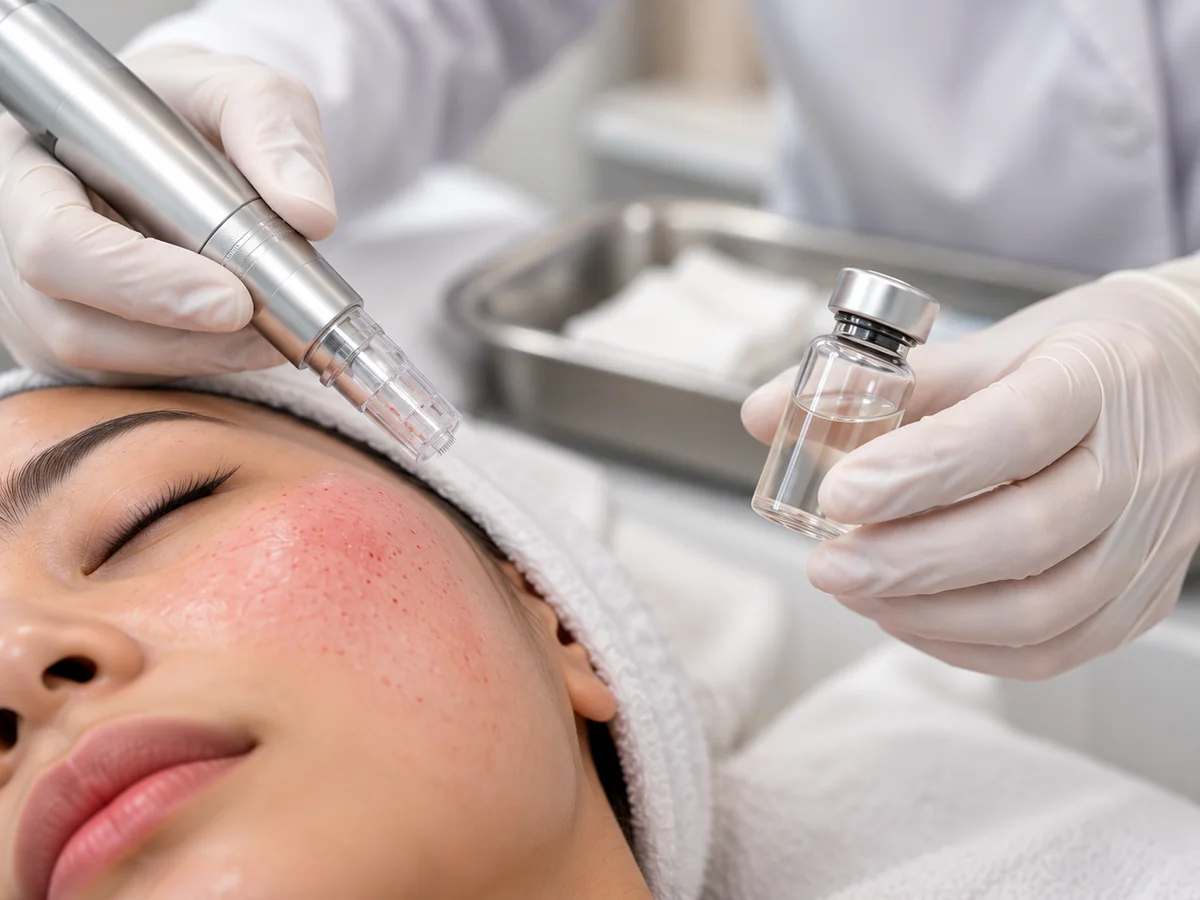
Downtime usually stays very small. After microneedling you might see a little redness, warmth or tightness that can last a few hours or a few days. The changes from microneedling are usually slow and gentle like skin texture, more water in the skin or feeling more at ease instead of big dramatic shifts. Most microneedling plans have several sessions spaced a weeks apart but there is no set rule for the best timing so your doctor will decide the schedule. No one can promise a result.
What the Secretome Therapy Evidence Shows
What research suggests:
What is not yet established:
Secretome Therapy: Risks and Safety
Secretome therapy is not risk-free. Possible concerns include:
Safety depends heavily on product sterility, source and who administers it, so treatment should only be done by a qualified doctor in a proper clinical setting.
Questions Worth Asking Before Any Secretome Treatment
- 1What cells is this product derived from, and where is it manufactured?
- 2Is it tested for sterility, endotoxin and identity, and can I see the documentation?
- 3What is its registration status under Malaysian rules?
- 4What evidence supports its use for my specific concern?
Frequently Asked Questions
Common questions about secretome therapy
Book a Consultation
If you would like to know whether secretome therapy is appropriate for your skin, book a consultation with our team. Your doctor will assess your skin, explain the product and its evidence honestly, and recommend a plan that fits your goals.