
Regardless of whether you are a local patient who will be traveling back home after your surgery, or if you have traveled all the way from another country just to get the surgery done, the question as to how soon is it safe to travel by air after a plastic surgery operation becomes relevant.
The aim of this article is to discuss the information that is currently available on flying after plastic surgeries, the concerns that need to be addressed, and the tips that will make the journey as smooth as possible. As always, the advice of your specific surgeon on your specific surgery must take precedence over generic information.
Why Flying After Surgery Requires Extra Consideration
Flying is associated with long periods of time spent sitting, fluctuations in cabin air pressure and low physical activity, which, in turn, impact wound healing and may be associated with additional surgical risks. It is not necessarily dangerous to fly after undergoing surgery, but the time of flying and necessary precautions should be considered more carefully than in the case of usual travel.
Blood Clots: Major Health Problem Caused by Air Travel After Surgery
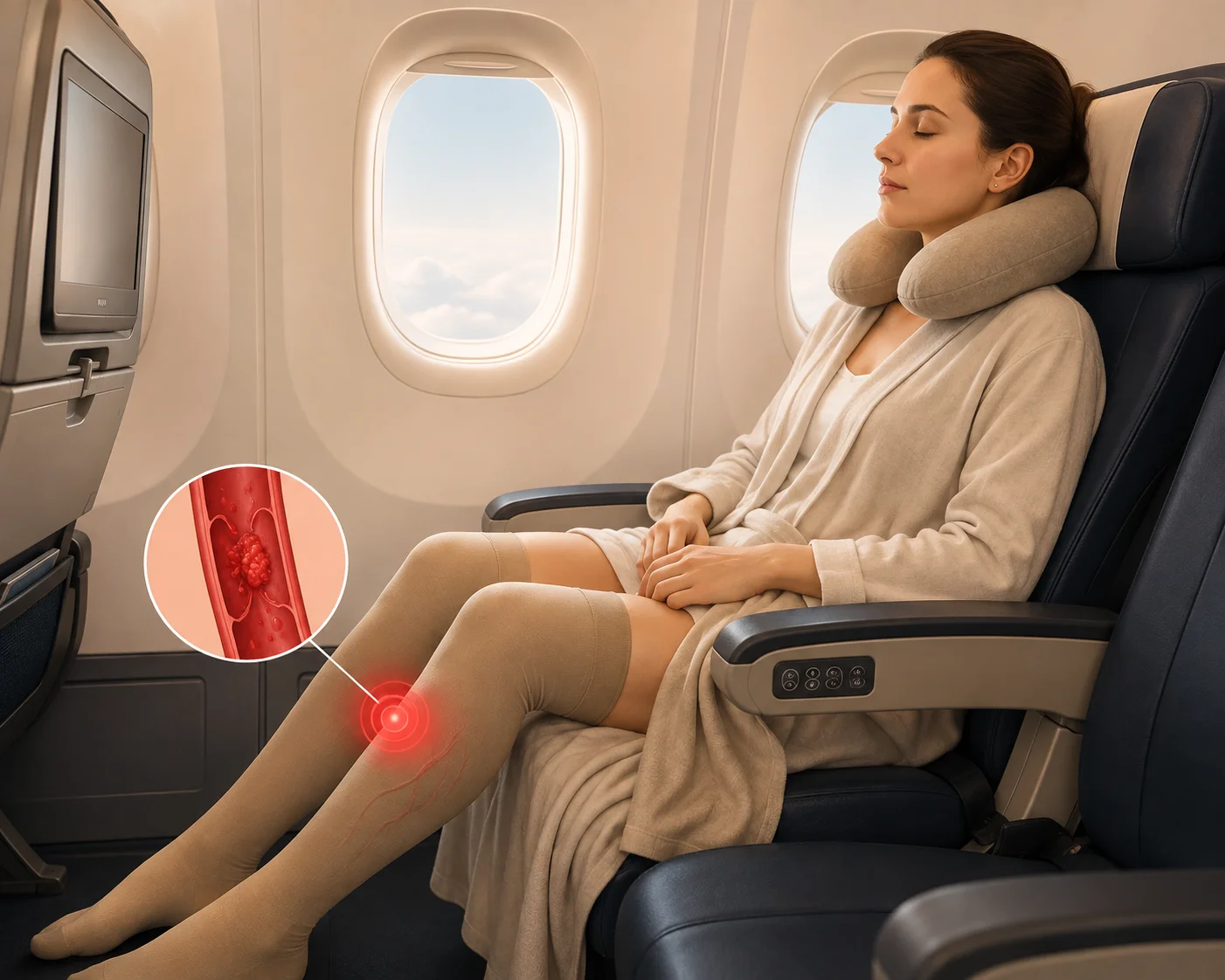
The most health-threatening problem, associated with air travel after surgery, is a heightened risk of blood clots and their further complications. The fact is that both surgery and a long period of immobility due to air travel lead to a higher chance of developing blood clots, and their combination makes this risk even greater.
That is why surgeons usually recommend at least some waiting period before taking a flight and prescribe some preventive measures like wearing compression socks, proper hydration and movement during the flight.
General Waiting Time Guidelines by Procedure Type
However, while the surgeon’s particular recommendations for your procedure would always have priority, general recommendations in the medical community typically tend to resemble the following:
-
Small procedures (like removal of small skin lesions) – usually a couple of days, depending on personal healing speed
-
Medium procedures (like breast augmentation, face surgery not coupled with other types of surgeries) – usually about one to two weeks
-
Big procedures (like abdominoplasty, body lift or combined mommy makeover surgery) – usually a number of weeks, because of more complicated nature of surgery and higher probability of getting a clot
This is only general range of numbers, your surgeon will give you particular recommendations, depending on your procedure, your personal health state and recovery process.
Short-Haul vs Long-Haul Flights
The flight duration becomes an important factor to be considered in terms of post-surgical travel by air. Short domestic flights which typically take a few hours become less risky than long-haul flights because of reduced immobility during flights. In the case where patients are traveling to Malaysia for surgery, the issue assumes more significance because of the fact that long-haul flights themselves become more risky for clot formation irrespective of any recent surgery.
In case you have plans to undertake a long-haul flight, it becomes important for you to discuss your travel plans with your doctor instead of simply asking the question “When can I travel? ”
Special Considerations for Facial Surgery
Facials, such as facelift or rhinoplasty, on the other hand, usually present a slightly different air travel consideration, given that cabin pressure can impact the swelling of the facial area, and, more specifically in rhinoplasty, can have an effect on the recovery process of the nose structure. Surgeons recommend a particular period of time after the surgery, depending not only on the clot formation risk but also on the factors specific to the particular procedure related to swelling and healing.
Special Considerations for Body Contouring Surgery
Surgery types such as tummy tuck, body lift, and liposuction usually present a higher risk for blood clots compared to more minor surgeries, given that the size of the area treated and, at times, the surgery duration are greater. It is because of this that the waiting period to fly is longer in such body contouring procedures, which is why wearing compression garments and being mobile during a flight is highly recommended for these surgeries.
Practical Tips for Flying During Recovery
If you have been deemed fit to travel during your recovery phase, here are some steps that will help ensure your safety and comfort during the flight:
-
It is important to wear compression stockings, especially if you are going on long flights to ensure good circulation.
-
Keep yourself properly hydrated during the flight, and avoid drinking alcohol and too much caffeine, which may lead to dehydration.
-
Try moving periodically during the flight if possible, such as by taking short walks in the aisle, or even some simple leg exercises while seated.
-
It would be best to get an aisle seat in order to move about periodically without bothering other passengers.
-
Ensure you take all your prescription medication, and follow the advice given by your doctor regarding your flight.
Malaysia as a Medical Travel Destination: What This Means for Travelling Patients
Malaysia is well known throughout the region as a place to get plastic surgery tourism and cosmetic surgery tourism done, and many people travel to Malaysia from nearby countries for such surgeries. When traveling overseas for plastic surgery, one aspect that really does need to be considered in the whole process is allowing for a realistic waiting period after the procedure before returning home.
It may even mean staying in Malaysia for a longer period than the initial days after surgery, especially if it is a bigger surgery where there is a certain waiting period before travel is recommended. Discussing your total stay including this waiting period when having your initial consultation will allow you to plan ahead for this accordingly.
Pre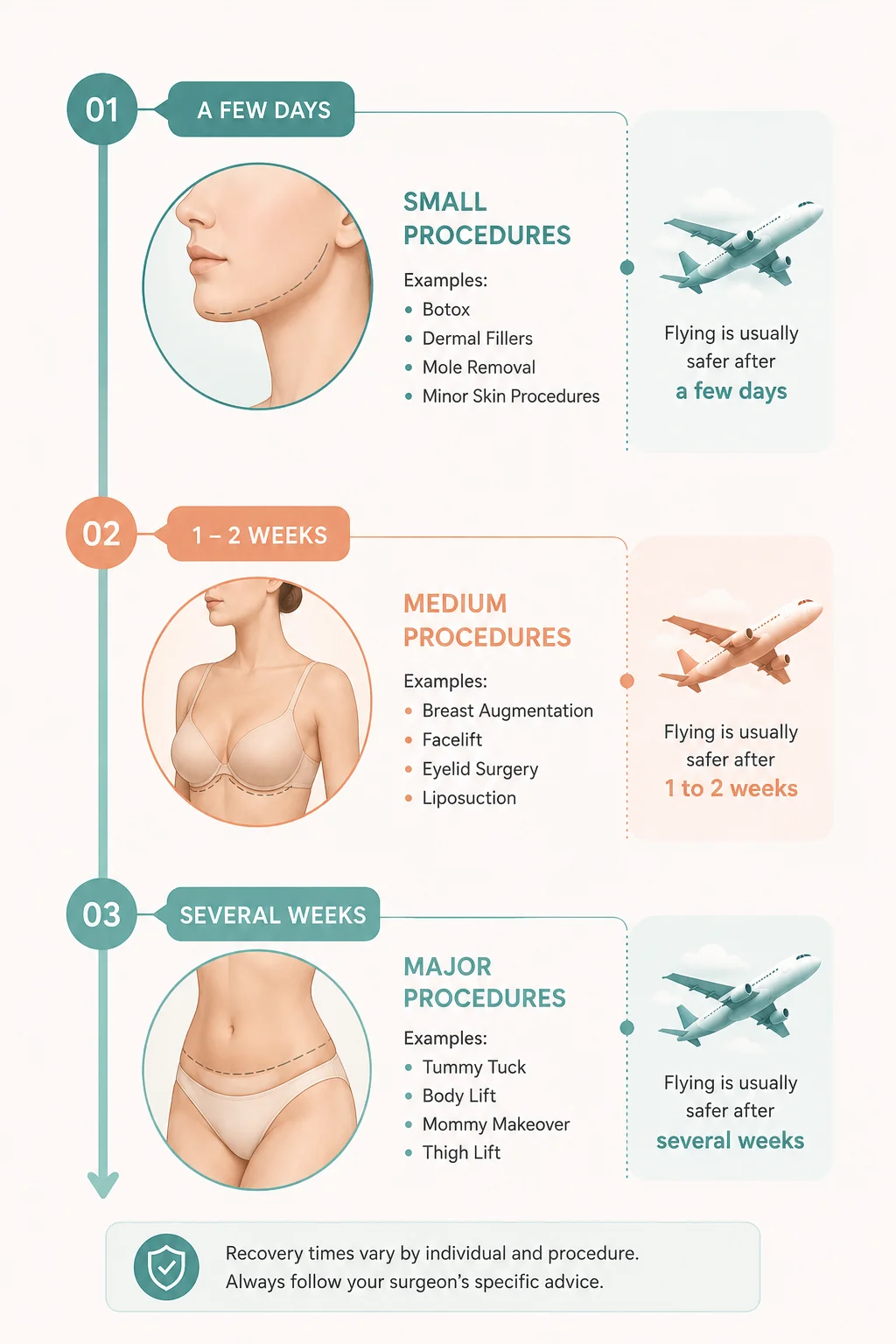 paring in Advance If You Know You'll Be Flying Soon After Surgery
In the event that you already know you will be traveling shortly after the proposed surgery date, bringing up this issue at your first consultation, rather than later on just before your surgery, will give you an advantage in terms of planning:
-
Your doctor can take into account your travel plans when choosing an appropriate date of surgery, which gives you enough time to recover before you fly
-
You can make your arrangements for your travel based on a realistic time of recovery from the start, rather than having to arrange things at the last minute
-
Your doctor can provide you with specific instructions for your own travel and type of surgery
-
You will find out whether your current plans are really not compatible with the recommended recovery period before it is too late to make changes
Bringing up your travel plans at your consultation is a small thing that can save you trouble later on.
Signs You Should Delay Your Flight
Regardless of how much time has passed since your surgery, certain signs suggest you should delay flying and contact your surgeon rather than proceeding as planned:
-
Calf pain, swelling, or warmth, which can be early signs of a blood clot
-
Sudden shortness of breath or chest pain
-
Signs of infection at the surgical site, such as increasing redness, warmth, or discharge
-
Fever or feeling generally unwell
-
Any symptom that feels notably different from what you were told to expect during normal recovery
If any of these occur, contact your surgeon or seek medical attention before considering air travel, rather than waiting to see if symptoms resolve on their own.
Conclusion
Traveling by air after having undergone plastic surgery is relatively safe provided that proper measures have been taken and certain waiting periods observed, but it entails more caution than regular traveling, mainly owing to the elevated risk of developing a blood clot because of being seated for long. Knowing about the overall general rules, observing the necessary measures during each post-operation flight, and consulting your doctor directly about your particular traveling schedule can help you achieve this end.
Frequently Asked Questions
How long after surgery can I fly on a short domestic flight?
It all depends on your procedure, but short-distance travels are less risky than long-distance travels. Your surgeon can give you advice on how long a minimum time period you need to wait before traveling by plane.
Should I wear compression stockings even if I wasn't told to for my recovery generally?
Yes, indeed. The longer time of immobilization in long-distance travel increases the risk of blood clots more than short-distance travels. This is why most surgeons recommend a longer time to wait before long-distance travels.
Can I fly the day after a minor procedure?
Yes, compression stockings are widely recommended after surgery for traveling by plane due to higher risks associated with immobility when traveling by plane, despite the fact that they were not part of your post-surgical recommendations. If you had some minor surgeries, then it is possible to travel very shortly after the procedure. Still, you should consult your surgeon in any case.
What if I have to fly internationally soon after a more extensive procedure?
This is precisely the sort of scenario that warrants discussing with your surgeon prior to the scheduled date of your surgery, since it could influence how soon you can have your surgery performed or how you are able to arrange your travels.
Does cabin pressure affect swelling after facial surgery?
Since cabin pressure can affect swelling, it is a specific factor that surgeons consider for people having facial surgeries in particular.